
Tooth pain can be difficult to ignore, but that does not always mean people schedule a dental appointment right away. Sometimes the discomfort comes and goes, work gets busy, or the thought of undergoing a root canal creates anxiety. If you have been advised to get this treatment, postponing it might seem like an easy way to avoid an uncomfortable experience.
However, an infected or severely damaged tooth generally does not heal on its own. Waiting too long can allow the problem to progress, potentially leading to more pain, swelling, and complications. Understanding the importance of timely treatment can help you make a more informed decision about your oral health.
At Green Acres Family Dentistry, patients can explore their options for root canal therapy in Twin Falls to address problems affecting the inner portion of a tooth. Knowing what to expect from treatment and why timing matters can make it easier to take the next step.
Quick Answer: What Happens If You Delay a Root Canal?
Delaying a root canal can allow an infection inside your tooth to spread, potentially causing worsening pain, swelling, a dental abscess, and damage to surrounding tissues. In some cases, the tooth may become impossible to save and require extraction. Early evaluation and appropriate treatment can help prevent complications and preserve your natural tooth.
1. The Tooth Infection May Get Worse
One of the biggest risks of delaying root canal treatment is that bacteria can continue multiplying inside the tooth.
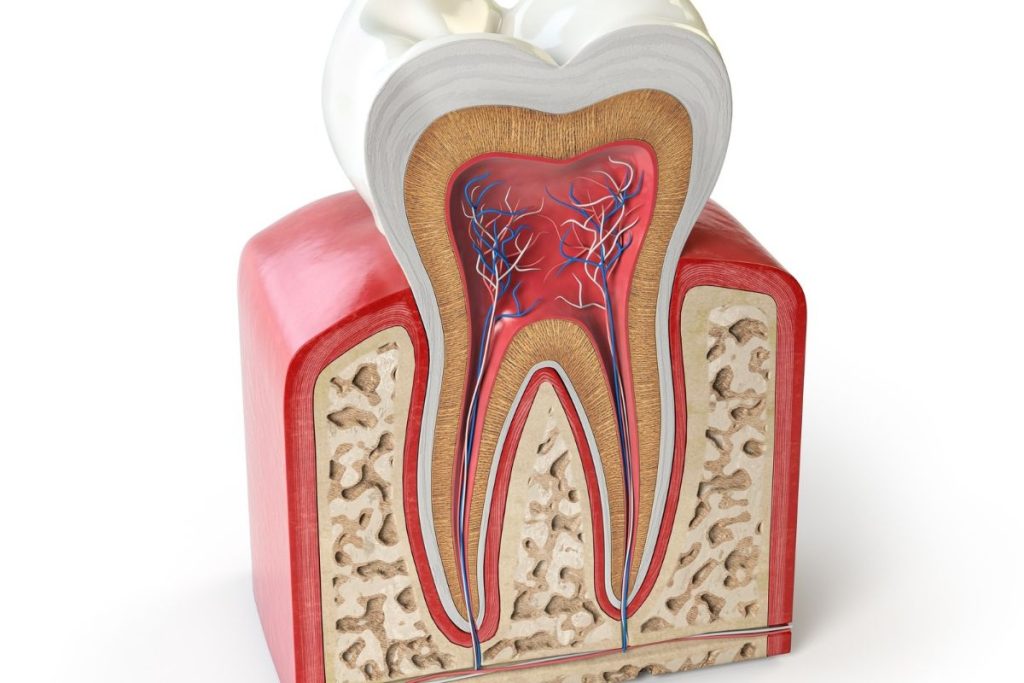
Every tooth has an inner section called the pulp. It contains nerves, blood vessels, and connective tissue that help support the tooth during development. When deep decay, a crack, or an injury allows bacteria to reach this area, the pulp can become inflamed or infected.
Unlike minor irritation, an infection inside the tooth generally will not resolve without appropriate dental treatment.
If treatment is postponed, the infection may progress beyond the pulp and reach the tissues surrounding the tooth root.
What this means for you: A tooth that initially causes mild discomfort may eventually develop more noticeable symptoms, including persistent pain, tenderness, or swelling.
2. Tooth Pain May Become More Severe
Tooth pain is often one of the first signs that something is wrong. However, the intensity of the discomfort does not always reflect how serious the underlying problem is.
When the pulp becomes inflamed, pressure can build inside the tooth, irritating the surrounding nerves.
You may experience:
- Sharp pain when chewing or biting.
- Throbbing discomfort that comes and goes.
- Sensitivity to hot or cold foods and drinks.
- Pain that continues after the temperature stimulus is removed.
- Tooth pain that interrupts sleep.
- Discomfort that spreads toward the jaw or surrounding areas.
Some people notice that their pain temporarily disappears after a period of intense discomfort. This does not necessarily mean the tooth has healed. The nerve tissue may have lost its ability to respond, while the infection continues developing.
If you notice these symptoms, scheduling a dental evaluation is important rather than waiting for the pain to return.
3. A Dental Abscess May Develop
An untreated tooth infection can sometimes develop into a dental abscess.
A dental abscess is a pocket of pus caused by a bacterial infection. It may form near the root of the affected tooth or in the surrounding gum tissue.
Common warning signs include:
- Swelling around the affected tooth.
- A small pimple-like bump on the gums.
- Persistent throbbing pain.
- A bad taste in your mouth.
- Pus or drainage near the tooth.
- Fever or general discomfort.
An abscess requires prompt professional attention. It will not reliably disappear on its own, even if it drains and the pain temporarily improves.
In some cases, the infection can spread into nearby tissues and become a serious health concern.
Important: Facial or neck swelling accompanied by difficulty breathing or swallowing requires immediate emergency medical attention. Do not wait for a routine dental appointment.
4. The Infection May Damage Surrounding Tissues
When bacteria move beyond the infected pulp, they can affect the tissues surrounding the tooth root.
The infection may cause inflammation and damage to the supporting bone. This can make the tooth more difficult to preserve and may complicate future treatment.
Depending on the severity, the infection can also spread into nearby soft tissues.
This is one reason dentists recommend addressing root canal problems promptly rather than relying on pain medication or temporary home remedies.
If you want to recognize the warning signs earlier, understanding the signs of root canal infection can help you know when a professional evaluation may be necessary.
5. You May Eventually Lose the Tooth
A natural tooth can often be preserved with root canal treatment, provided enough healthy tooth structure remains.
However, delaying treatment can allow infection and structural damage to progress.
If the tooth becomes severely damaged or the surrounding infection compromises its support, saving it may no longer be possible.
In such situations, extraction may become necessary.
Losing a natural tooth can affect more than your smile. Depending on its location, it may influence chewing, neighboring teeth, and the alignment of your bite.
Replacing a missing tooth may also involve additional procedures, expenses, and treatment time.
Timely evaluation gives your dentist an opportunity to determine whether the natural tooth can still be preserved.
6. Treatment May Become More Complicated
Another concern with postponing root canal treatment is that the problem may require additional care.
When a tooth is evaluated early, the dentist can assess the infection, determine the extent of damage, and recommend an appropriate treatment plan.
If the condition progresses, treatment may involve additional procedures to address the infection or restore the damaged tooth.
For example, some patients may need drainage of an abscess, additional restorative treatment, or extraction if the tooth cannot be saved.
The exact treatment depends on the condition of the tooth and surrounding tissues.
Getting an examination early does not guarantee that treatment will be simple, but it can help identify problems before they become more extensive.
7. The Infection Can Affect Your Overall Health
A dental infection should never be considered a problem that affects only your teeth.
In uncommon but serious cases, bacteria from an untreated dental infection can spread beyond the original area and cause a more widespread infection.
Possible complications include:
- Infection spreading into the facial or neck tissues.
- Increasing swelling and inflammation.
- Fever and general illness.
- Difficulty swallowing or opening the mouth.
- Serious complications requiring hospital-based treatment.
These complications are not inevitable, but they explain why dental infections should be taken seriously.
If you have facial swelling, fever, or worsening symptoms, seek urgent professional care rather than waiting for your next routine appointment.
What Should You Do If You Cannot Get a Root Canal Immediately?
Sometimes patients delay treatment because of scheduling difficulties, dental anxiety, or financial concerns. If you cannot undergo the recommended procedure immediately, contact your dental office and explain the situation.
In the meantime, consider these precautions:
- Avoid chewing on the affected side: This can reduce pressure on a painful or weakened tooth.
- Maintain gentle oral hygiene: Brush carefully and keep the surrounding area clean.
- Avoid extremely hot or cold foods: These may trigger discomfort in sensitive teeth.
- Use appropriate pain relief: Over-the-counter medication may temporarily help when used according to its label and your healthcare provider’s advice.
- Do not apply aspirin directly to your tooth or gums: It can irritate or damage the surrounding tissues.
- Do not rely on antibiotics alone: Antibiotics may be prescribed in certain situations, but they do not remove infected pulp or replace the need for appropriate dental treatment.
Most importantly, do not assume that reduced pain means the infection has disappeared.
What Happens During Root Canal Treatment?
Understanding the procedure may help reduce some of the anxiety associated with treatment.
Root canal treatment is designed to remove infected or inflamed pulp from inside the tooth while preserving the remaining natural structure.
The process generally involves:
- Examination: The dentist evaluates the affected tooth and may use dental X-rays to understand the extent of the problem.
- Numbing the area: Local anesthesia is used to help keep you comfortable during treatment.
- Removing infected pulp: The dentist creates an opening in the tooth and removes the affected pulp tissue.
- Cleaning the canals: The inner canals are cleaned and shaped to prepare them for filling.
- Sealing the tooth: The cleaned canals are filled and sealed to help prevent further bacterial contamination.
- Restoring the tooth: A filling or dental crown may be recommended to protect the tooth and restore its function.
The number of appointments and type of restoration depend on the tooth’s condition.
At Green Acres Family Dentistry, patients in Twin Falls can discuss their symptoms and treatment options to understand what may be appropriate for their individual situation.
Frequently Asked Questions
1. How long can you safely delay a root canal?
There is no universally safe waiting period. The urgency depends on the extent of infection, symptoms, and condition of the tooth. An infected tooth can worsen unpredictably, so it is best to follow your dentist’s recommendation and arrange treatment promptly.
2. Can a tooth infection go away without a root canal?
An infection inside the tooth generally does not resolve on its own. Although pain may temporarily disappear, the underlying infection can remain. A dentist must evaluate the tooth to determine whether root canal treatment or another procedure is necessary.
3. What happens if a root canal infection spreads?
An infection can spread beyond the tooth root into surrounding gum, facial, or neck tissues. This may cause swelling, pain, fever, and other complications. Severe spreading infections can become medical emergencies and require immediate treatment.
4. Can antibiotics replace root canal treatment?
No. Antibiotics may help manage certain spreading dental infections, but they cannot remove infected pulp inside a tooth. Definitive dental treatment, such as root canal therapy or extraction when necessary, is generally needed to address the source of the infection.
5. Is root canal treatment painful?
Modern root canal treatment is performed using local anesthesia to minimize discomfort. Many patients experience relief from the pain caused by the original infection. Some tenderness afterward is possible, but your dentist can explain what to expect and how to manage recovery.
Conclusion: Do Not Wait for a Tooth Infection to Get Worse
Delaying root canal treatment may seem harmless when tooth pain is manageable, but the underlying problem can continue developing even when symptoms temporarily improve. An untreated infection may lead to a dental abscess, damage surrounding tissues, or eventually make it impossible to save the affected tooth.
If you are experiencing persistent tooth pain, sensitivity, swelling, or other signs of infection, consider scheduling an evaluation rather than waiting for the symptoms to become more severe.
Green Acres Family Dentistry is committed to helping patients understand their dental concerns and available treatment options. If you are looking for guidance about root canal treatment in Twin Falls, contact the practice to discuss your symptoms and arrange an appointment.
You can also get to know our practice through local patient reviews and learn more about the experiences shared by patients in the Twin Falls community.